What Is a Business Management System — and Does Your Business Need One?
Sales, stock, staff, customers and finances in one place. A plain-language guide to business management systems for Kenyan SMEs.
By Alfaxad Ogesa, Chief Technology Officer (CTO)

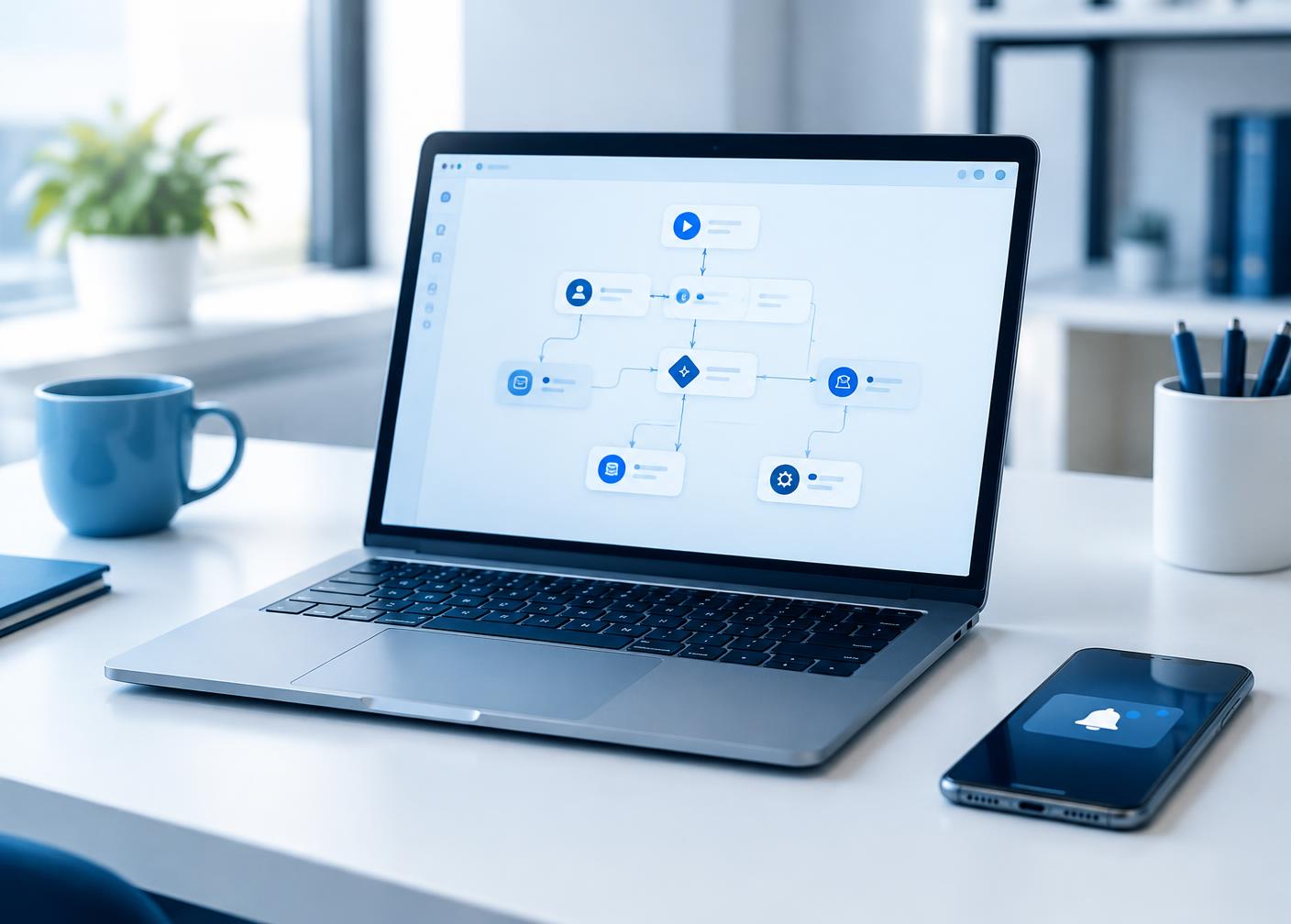
As a business grows, information spreads across more places: a sales book, a stock spreadsheet, an accounts package, a WhatsApp group for staff. Each tool works on its own, but nobody can see the whole picture. A business management system brings these pieces together so you can run the business from one place.
What a business management system covers
Every business is different, but most systems include some combination of:
- Sales and point of sale
- Inventory and purchasing
- Customers and suppliers
- Invoicing, payments and expenses
- Staff, roles and permissions
- Reports and dashboards
Benefits beyond saving time
Time saved is the obvious win, but the bigger benefits are control and visibility. Owners can see sales and stock from anywhere, theft and leakage become harder to hide, and decisions are based on current numbers instead of guesses.
Industry-specific systems
Some sectors have needs that general tools handle poorly. Schools need fees, attendance and exams; hospitals need patient flow and billing; landlords need units and leases. That's why we built platforms such as Chuo for schools, CareFlow for healthcare, Dukafy for retail and RentFlow for property.

How to choose the right system
- List the processes that cost the most time or cause the most errors
- Decide who needs access and what they should see
- Check that the system supports M-Pesa, SMS and local tax needs
- Ask how data is backed up and who supports you
- Make sure you can export your data if you ever leave
Implementation without disruption
Roll out in phases: start with the module causing the most pain, train the people who use it daily, and run old and new side by side briefly. Clean opening data — stock counts, customer balances — makes the biggest difference to success.
Platform or custom?
Ready-made platforms are faster and more affordable to start. Custom systems make sense when your process is unique or several tools must work together. Our IT consulting helps you decide honestly.
Want to see what a system could look like for you? Book your free consultation.
Need help putting this into practice?
Our team offers a free first consultation.
Get a Free Consultation