The Ultimate Guide to Digital Transformation for Kenyan SMEs
A practical, step-by-step roadmap for moving a Kenyan small or medium business from paper, spreadsheets and WhatsApp into connected digital systems.
By Wycliff Vuzigu, Founder & Managing Director

“Digital transformation” sounds like something only banks and telcos do. In reality, for a Kenyan SME it simply means replacing slow, error-prone manual work with simple systems that save time, reduce losses and help you serve customers better. This guide walks through what that looks like in practice, where to start, and how to avoid expensive mistakes. Each section links to a deeper article on the topic.
What digital transformation means for an SME
For most businesses it comes down to four things: knowing your numbers in real time, collecting money faster, communicating with customers consistently, and freeing staff from repetitive tasks. You do not need to change everything at once. The most successful businesses we work with start with one painful process, fix it properly, then move to the next.
Step 1: Map where time and money leak
Before buying any software, list the tasks that take the most hours or cause the most errors. Typical examples in Kenya include reconciling M-Pesa statements by hand, chasing unpaid invoices on the phone, counting stock at the end of every day, and compiling reports for owners or directors. Our article on signs your business needs automation helps you spot these quickly.
Step 2: Get payments under control
Mobile money is the backbone of Kenyan commerce. Connecting your website or system directly to M-Pesa removes manual confirmation and reconciliation. Read how to integrate M-Pesa Express (STK Push) into a website for what is involved.
Step 3: Make billing compliant
KRA's eTIMS requirements mean invoices increasingly need to be generated and transmitted electronically. Building this into your billing system once is far easier than working around it every month. See eTIMS integration tips for custom billing software.
Step 4: Put the right system at the centre
Depending on your sector, the core system will differ:
- Retail and wholesale — a POS and inventory system such as Dukafy. Local shops can start with our guide on how Kasarani retailers automate stock with POS.
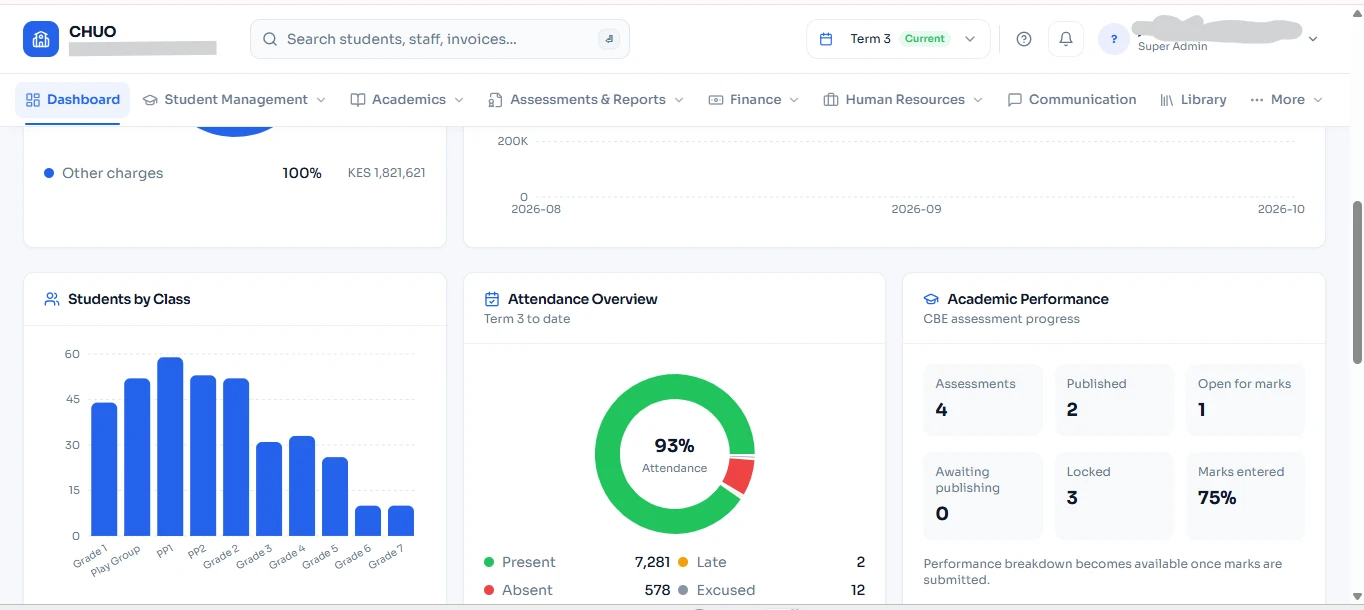
- Schools — a school management system such as Chuo. Read why spreadsheets are costing your school money.
- Landlords and agents — RentFlow and our property management software guide.
- Collections and lending — Kolekta for follow-ups and reminders.
- Clinics — CareFlow for patient records and appointments.
If none fits your process, custom software may be the better route — compare the options in custom vs off-the-shelf software.
Step 5: Communicate automatically
Reminders, receipts and updates sent by SMS reach customers who never open email. Our bulk SMS and sender ID guide explains costs and setup.
Step 6: Connect your systems
Once you have more than one tool, make them talk to each other so data is entered once. Read connecting your business systems.
Step 7: Be found online
A fast, credible website turns searches into enquiries. See what makes a good business website and why speed matters for Kenyan mobile users.
Common mistakes to avoid
- Buying software before agreeing on the process it should support
- Trying to digitise every department in one go
- Skipping staff training and running the old method forever “just in case”
- Choosing a vendor with no local support
Where to start this week
Pick the single process that costs you the most time, write down how it works today, and book a free consultation. We will tell you honestly whether a ready-made product, a custom system or a simple fix is the right next step.
Need help putting this into practice?
Our team offers a free first consultation.
Get a Free Consultation